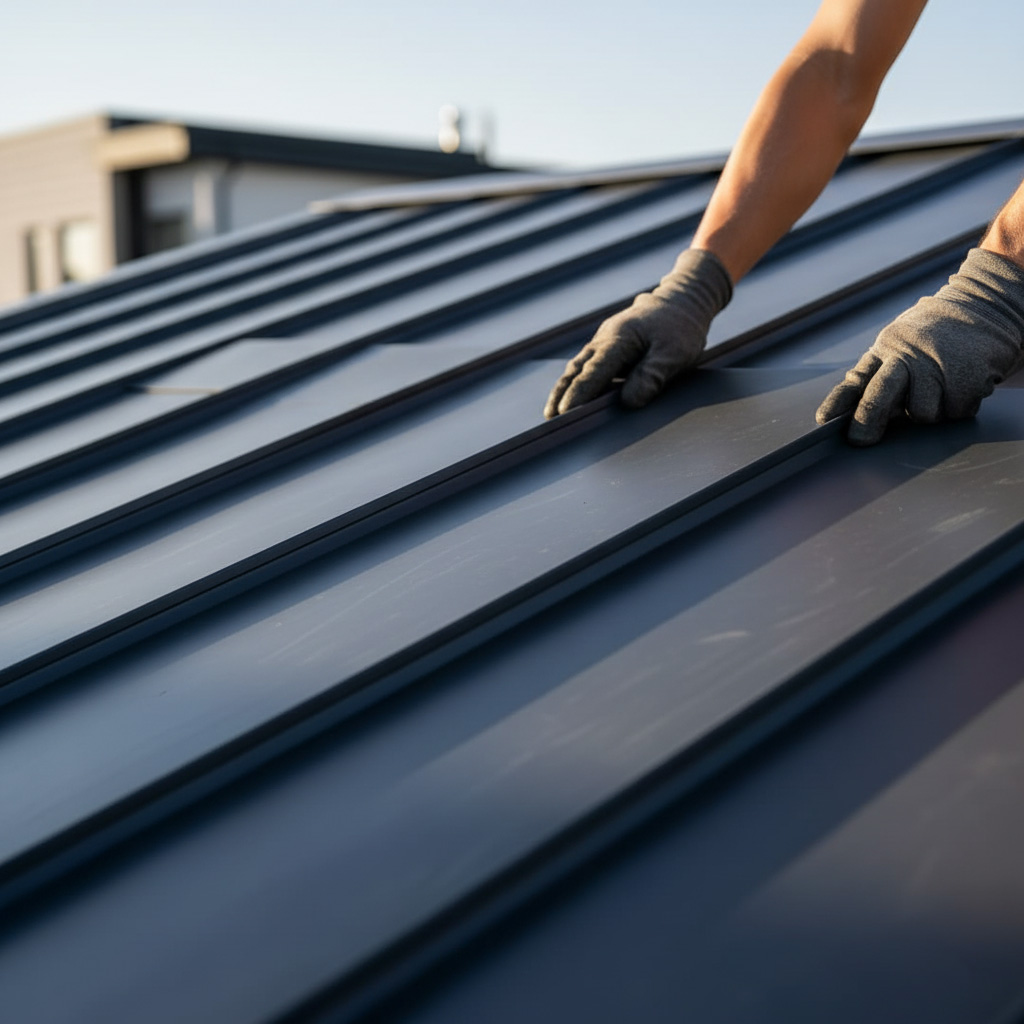


⚡ TL;DR: This checklist equips Dallas homeowners with steps for thorough roof inspections, from safe prep and ground scans to seals, drainage checks, and longevity tips.
📋 What You’ll Learn
In this Dallas roof inspection checklist, you'll learn practical steps to spot hail, wind damage, and wear from Texas storms, empowering savvy owners to protect their homes proactively.
- Gear up safely for inspections with essential tools, optimal timing, and prep tips tailored to Dallas weather for thorough, risk-free roof checks every season.
- Spot issues from ground level by scanning for hail dents, wind lifts, granule loss, and early wear signs without climbing, catching problems early.
- Inspect shingles and surfaces closely using ladders to detect cracks, missing pieces, curling edges, and storm damage for accurate condition assessment.
- Check seals and penetrations around flashing, vents, chimneys to prevent leaks from Dallas rains, ensuring roof integrity against water intrusion.
- Verify drainage systems including gutters, downspouts, and edges to avoid overflows, ice dams, and erosion common in Texas climates.
📖 Reading time: 7 min
✍️ Author expertise: Dallas roofing pro with 20+ years inspecting storm-hit homes from real fieldwork.
That brutal hailstorm ripped through Dallas last spring, leaving a trail of battered roofs and skyrocketing repair bills.
Yours dodged the worst, but hidden damage lurks up there, waiting to ambush you next season.
Smart owners don't wait for leaks or collapses—they grab a ladder and run this simple roof inspection checklist before trouble strikes.
Let's dive into the step-by-step guide that keeps your home safe and your wallet intact.
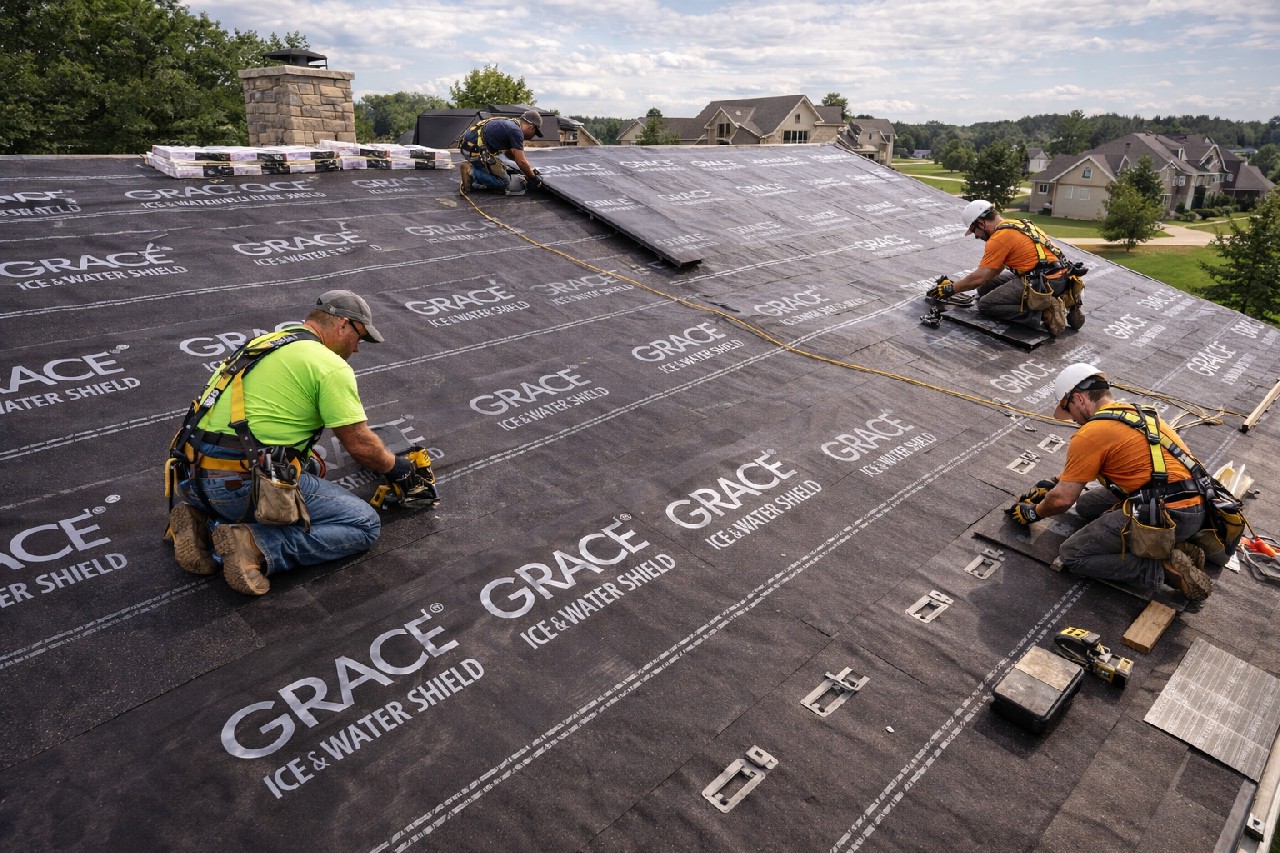
Gear Up Safely: Tools, Timing, and Prep for Dallas Roof Checks
Before you climb, stock your kit right. Skip the guesswork. Grab these basics for a solid Dallas roof scan.
Essential Tools
- Stable extension ladder rated for your weight, plus a spotter below.
- Binoculars for ground views of high spots.
- Flashlight or headlamp to peek into dark areas.
- Gloves, non-slip shoes, and a phone for emergencies.
- Notebook or phone camera to snap damage pics.
Timing matters in this Texas heat. Pick a cool, dry morning after rain clears. Avoid windy afternoons or post-hail chaos when roofs stay slick.
Prep smart to dodge accidents. Tell a neighbor your plan. Test ladder legs on flat ground. Check for power lines overhead. Stay low, move slow, and bail if anything feels off.
Ground-Level Scan: Spotting Hail, Wind, and Wear from Below
Start right here on solid ground. No ladder needed yet. Just circle your house with sharp eyes.
Hail Damage Clues You Can't Miss
Those Dallas hailstones hit like baseballs. Scan the roof edge for granule loss – tiny dark streaks or piles in gutters scream shingle battering.
- Check south and west sides first – they take the brunt.
- Look for bruising on AC units or soft spots on vents.
- Feel gutters for dents. Hail leaves fingerprints everywhere.
Wind tells a different story. Spot lifted shingles curling like potato chips along ridges.
Tree branches scraping? You'll see bald patches or frayed edges from below. Ignore this, and leaks follow fast.
Quick Wear and Tear Audit
Age shows in faded colors or sagging fascia boards. Moss or algae streaks? That's moisture trapped, rotting your underlayment.
Grab binoculars if you have them. Zoom in on hips and valleys for cracks. One glance spots trouble brewing.
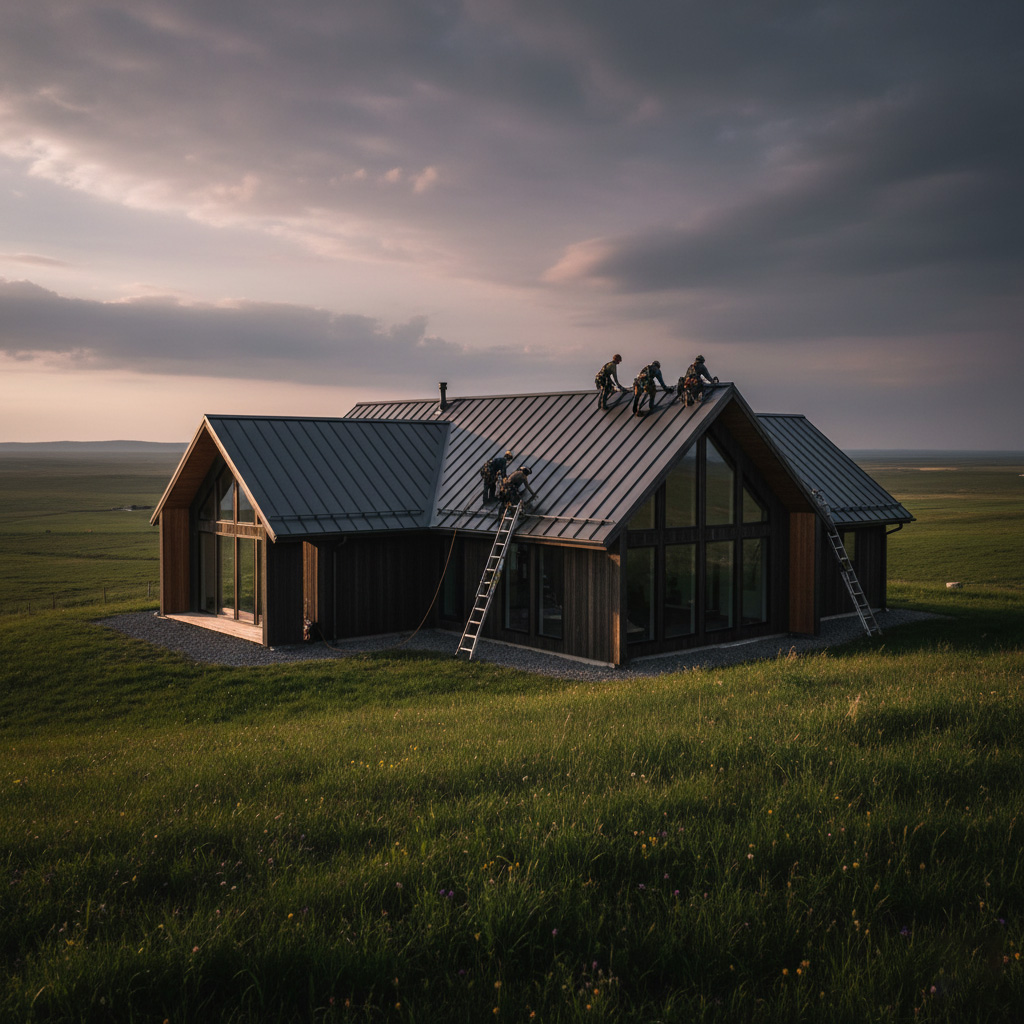
Ladder Inspection: Shingles, Tiles, and Surface Damage Deep Dive
Time to climb up. Secure that ladder on flat ground, have a spotter, and wear non-slip shoes. One slip, and you're sidelined for weeks.
Shingle Smarts: What to Hunt For
Look close at those asphalt shingles. Cracked or cupped edges scream hail hits or heat warp.
- Missing granules? That's your shield wearing thin fast.
- Curling corners? Wind's been prying them loose.
- Bald spots? UV rays are eating your roof alive.
Tap a few. Brittle and crunchy? Replace 'em now, before leaks sneak in.
Tile Troubles: Cracks and Chips
Clay or concrete tiles need extra eyes. Hail dents show as random pockmarks.
Check for slipped tiles or gaps. Even one loose piece invites water invasion.
- Chips on edges? Future fracture zones.
- Soft spots underfoot? Rotten decking below.
Probe gently. No give means solid; flex signals big trouble brewing.
Critical Seals: Flashing, Vents, Chimneys, and Roof Penetrations
Climb up and zero in on these make-or-break spots. Flashing around chimneys, skylights, and valleys catches the eye first. Cracked, rusted, or missing pieces spell trouble in Dallas's wild weather swings.
Flashing Fast-Check
- Look for lifted edges or gaps where water sneaks in.
- Probe gently with a putty knife; loose sealant means reseal now.
- Black streaks? Algae or moisture trapped underneath.
Vents and pipes punch through your roof, and their seals take a beating from Texas heat. Check rubber boots around plumbing vents for cracks or curling. A quick squeeze test reveals brittleness.
Chimney and Vent Red Flags
- Chimney flashing loose? Tuck it back or call pros before mortar crumbles.
- Exhaust fans wobbling? Tighten screws; vibration kills seals fast.
- Any rust on metal vents? Prime and paint to stop spread.
Don't skip the attic side. Shine a flashlight on underside seals for daylight leaks. These hidden weak points turn small storms into indoor floods.

Drainage Check: Gutters, Downspouts, and Edge Protection
Water's your roof's worst enemy in Dallas. One clogged gutter turns a quick rain into a slow leak that rots your eaves. Check this now, before the next downpour hits.
Gutters First
- Scan for debris buildup like leaves or hail-grit clogs.
- Push a gloved hand along the edges. Feel for dips or separations.
- Look up close: rust spots mean leaks incoming.
Clear 'em out with a trowel or hose. A clean gutter sheds water fast, saving your fascia boards from ugly rot.
Downspouts and Edges
Trace every downspout from top to bottom. Loose sections splash water back at your foundation.
- Confirm proper extension at least 5 feet from the house.
- Probe edge metal for lifts or curls. Wind loves to peel these back.
- Test flow: pour water in and watch it run free, no backups.
Fix loose drip edges pronto. They shield your shingles from wind-driven rain, keeping your whole system tight.
Case Study: Reviving a Lakewood Home After Hidden Hail Havoc
Meet Sarah in Lakewood. She skipped her post-storm roof check. Six months later, water stains bloomed inside her attic.
Our team climbed up. Hidden hail dents had cracked shingles across the south slope. Granules littered the gutters like confetti from hell.
What We Uncovered
- Soft spots under shingles signaling rot.
- Missing flashing around the chimney, letting wind-driven rain sneak in.
- Clogged vents pulling in debris and moisture.
Sarah's bill? A cool $12K if she waited. Inspection caught it early. Full replacement ran $8K, with insurance covering most.
Now her roof laughs at Texas storms. She sleeps sound. You can too, with eyes wide open up top.
Final Words: Proactive Steps for Dallas Roof Longevity
Hit your roof with this checklist twice a year. Spring after hail season. Fall before winter winds kick in.
Spotted trouble? Don't climb back up. Call in pros from our Roof Inspection team. They catch what eyes miss.
Lock in Your Roof's Future
- Trim overhanging branches now. Stops wind damage.
- Clear debris monthly. Keeps drainage flowing.
- Budget for sealants yearly. Seals cracks before leaks start.
These moves buy you years. Your Dallas home stays solid. No surprises, no big bills.
People Also Ask
How often should Dallas homeowners inspect their roofs?
In Dallas's harsh weather with frequent hail and high winds, inspect your roof at least twice a year—spring and fall—and after major storms. Regular checks catch issues early, preventing costly repairs from Texas extremes. For peace of mind, schedule professional inspections annually from local experts.
What are common signs of roof damage from hail in Dallas?
Look for granule loss on shingles, creating a bald or bruised appearance, and dents or cracks on metal roofs after hail storms common in North Texas. Soft spots or leaks inside indicate hidden hail havoc. Dallas pros use specialized tools like hail charts to assess damage accurately.
Can I perform a DIY roof inspection safely in Dallas?
Yes, start with ground-level and ladder checks using proper safety gear, but avoid steep pitches or after storms without experience. Dallas roofs face unique wind and heat stress, so DIY suits basic scans. Hire certified local roofers for thorough, safe evaluations to avoid risks.
What tools are essential for a Dallas roof inspection checklist?
Key tools include sturdy ladders, binoculars for ground views, flashlight for seals, gloves, and a moisture meter for hidden leaks. In Dallas hail zones, add a drone or hail gauge for precision. Professionals use infrared cameras for comprehensive checks beyond DIY capabilities.
How do I check roof drainage during a Dallas inspection?
Examine gutters for clogs, downspouts for straight flow, and edges for proper drip edge installation to prevent water intrusion. Test by hosing down to ensure runoff, vital in Dallas's heavy rains. Clear debris seasonally to maintain peak performance and extend roof life.

Dallas Roofing delivers expert roofing services to the Dallas, TX community with decades of hands-on experience. The team specializes in installations, repairs, and maintenance tailored to local weather conditions. Committed to Dallas homeowners and businesses, they prioritize reliable craftsmanship.
Need Roofing?
Fast roof repairs and replacements in Dallas, TX and nearby areas restore full weather protection quickly (75201, 75204, 75205, 75206, 75219).
Get Roof Quote